Bihar is located in the eastern part of India and it shares the passion and zeal of celebrating the established and spiritual fairs and festivals of India with the rest of the country. Fairs and festivals have always been an essential part of life in Bihar.
These fairs are relevant in the way that they narrow the gaps between different communities by bringing them closer and give them a reason to enjoy and celebrate. These fairs may last from one single afternoon to several weeks. There exist different variations of fairs, including street fairs, agricultural fairs, state fairs, trade fairs and so on. Each of these fairs denotes vivacity, color, high spirit, dedication, ebullience, peace, power, humanity, artistic performances, prayers and rituals. Some of the fairs most prevalent in Bihar are described in the following.
Sonepur Mela
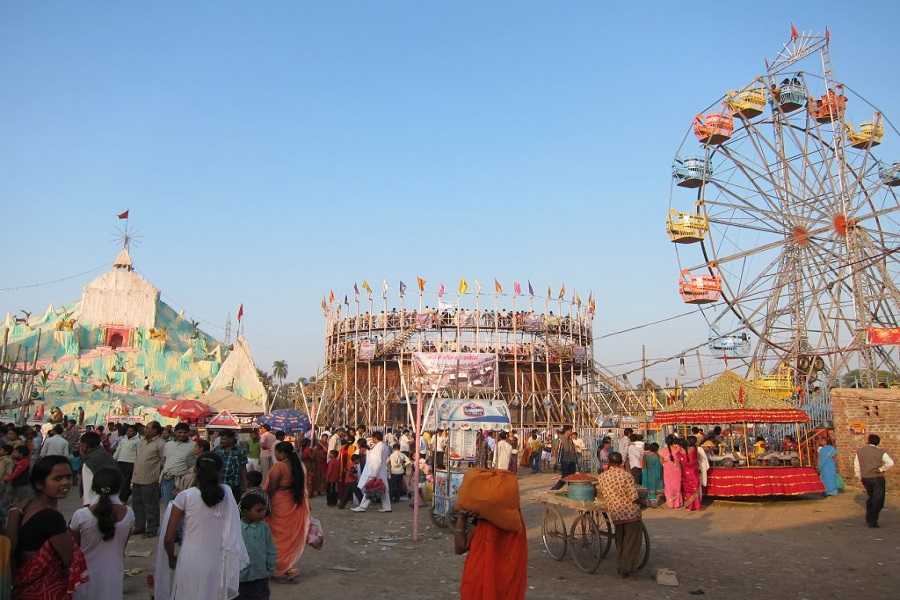
Sonepur Mela, also known as the Harihar Kshetra Mela and Sonepur Cattle Fair, is one of Bihar’s most iconic representations of its rich cultural, historical, and religious heritage. Held at the sacred confluence of the Ganga River and Gandak River in Sonepur (Saran), the fair begins on the auspicious occasion of Kartik Purnima and continues for a month. Its religious significance is deeply rooted in the legend of Gajendra Moksha, where Lord Vishnu is believed to have rescued an elephant from a crocodile at this very site; the nearby Harihar Nath Temple, dedicated to both Vishnu (Hari) and Shiva (Hara), attracts thousands of devotees who take a holy dip and offer prayers. Historically, the fair dates back to ancient times and is associated with Chandragupta Maurya, who is believed to have procured war elephants and horses from here, while traders from as far as Central Asia once participated in its vibrant markets. Today, it is regarded as Asia’s largest cattle fair, combining traditional livestock trading with a grand display of rural commerce, folk culture, handicrafts, local cuisine and entertainment, making it a major socio-cultural and tourism event in Bihar.
The fair is also a marketplace for rural Bihar, selling everything from agricultural tools and furniture to Madhubani paintings and local handicrafts. The Mela is also famous for its ‘theatre’ and carnival atmosphere, where performances by folk artists, singers and theatre troupes are enjoyed by many.
Makar Sankranti
Makar Sankranti, also known as Makara Sankranti or Maghi, is a festival day in the Hindu calendar, in reference to deity Surya. It is observed each year in January. It marks the first day of sun's transit into the Makara (Capricorn), marking the end of the month with the winter solstice and the start of longer days.
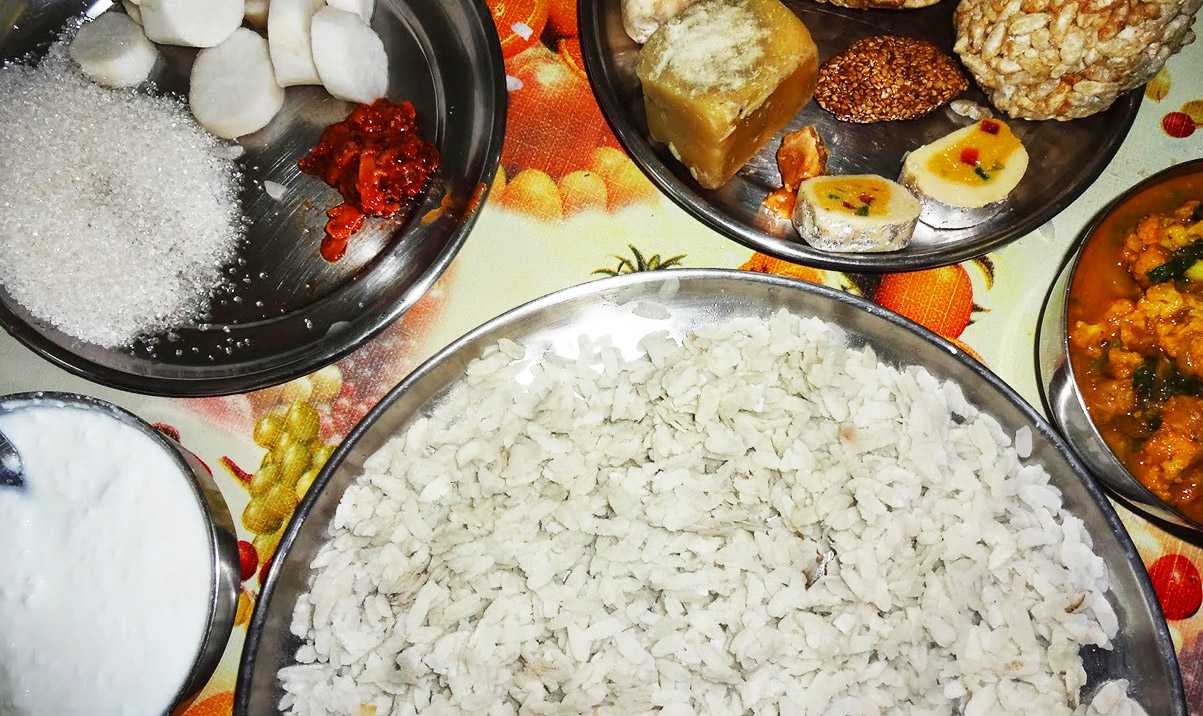
On 14 January, it is celebrated as Makar Sankranti or Sakraat or Khichdi (in local dialects). As in other parts of country, people take bath in rivers and ponds and feast upon seasonal delicacies as a celebration of good harvest. The delicacies include chura, gur (jaggery), sweets made of til (sesame seeds) such as tilkut, tilwa, maska, etc., curd, milk and seasonal vegetables. Kite flying festivals are organised. On 15 January, it is celebrated as Makraat (in some parts of the state) when people relish special khichdi (dal-rice replete with cauliflower, peas and potatoes). People start their day by worshiping and putting til (sesame seeds) into fire followed by eating "dahi-chuda", a dish made of beaten rice (chuda or poha, in Hindi or avalakki, in Kannada) served with a larger serving of dahi (curd), with cooked kohada (red pumpkin) that is prepared specially with sugar and salt but no water. The meal is generally accompanied by tilkut and lai (laddu made of til, chuda and rice). The festive meal is traditionally made by women in groups.People spend their days on socializing and participating in kite flying festivals. For dinner a special khichdi is made and served with its four traditional companions, "char yaar" (four friends) — chokha (roasted vegetable), papad, ghee and achaar. Since such a rich khichdi is generally made on this festival, the festival is often colloquially referred to as 'Khichdi'.
Pitrapaksha Mela
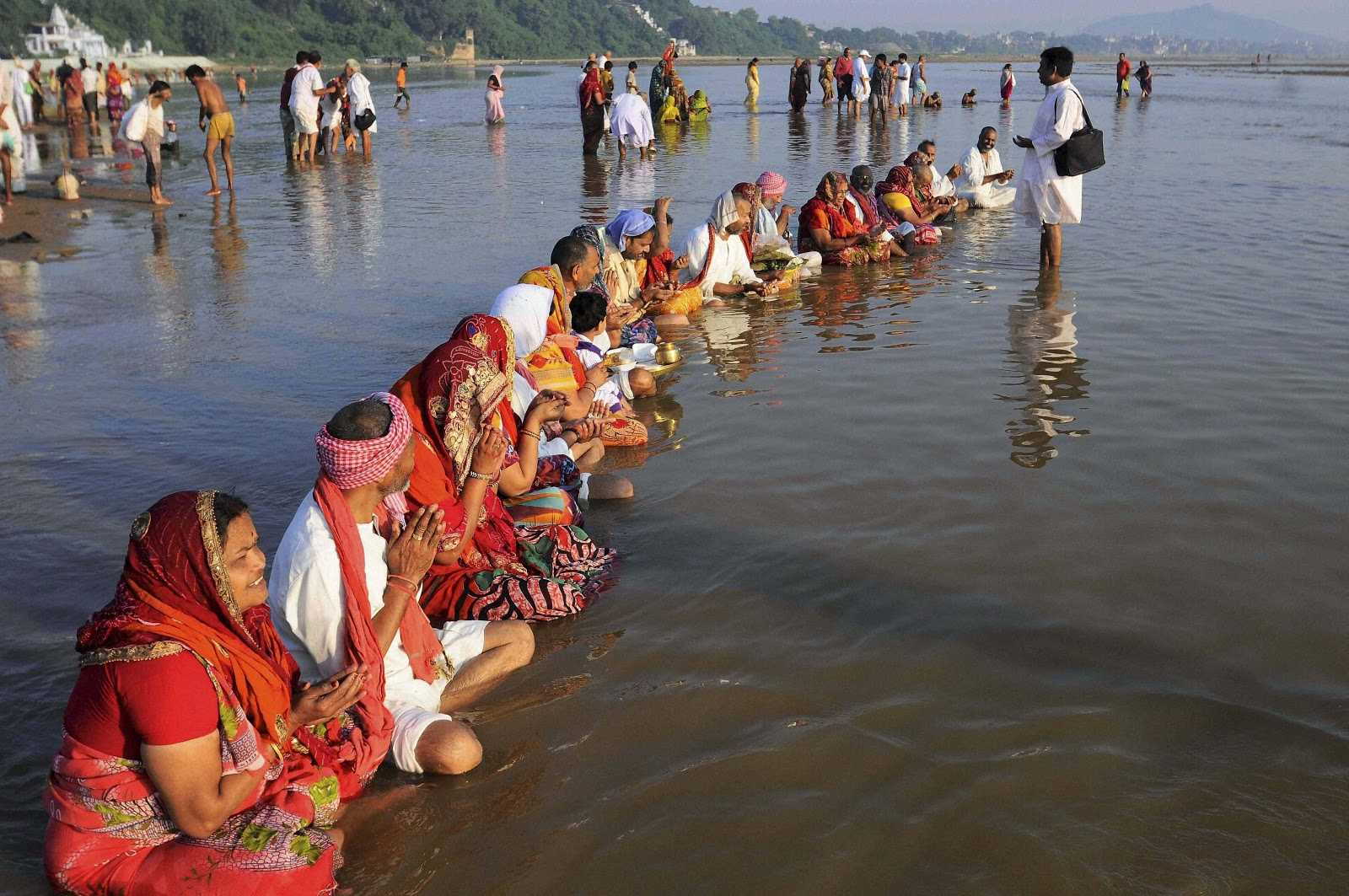
Pitrapaksha Mela, held in the sacred city of Gaya, is one of Bihar’s most spiritually significant events, dedicated to honoring ancestors through ancient Hindu rites. Observed annually during the 16-day period of Pitrapaksha (September–October), the mela attracts devotees from across the world who come to perform ancestral offerings believed to ensure peace and liberation for departed souls. Rooted in the legend of Gayasur and the blessings of Lord Vishnu, Gaya is regarded as the most sacred place for these rituals, with the revered Vishnupad Temple serving as the focal point. Pilgrims begin with a ritual bath in the Phalgu River and follow a traditional circuit of sacred sites, including the eternal Akshayavat. Combining deep-rooted mythology, structured rituals and global participation, the Pitrapaksha Mela represents Bihar’s enduring spiritual heritage and its importance in religious tourism.
Shrawani Mela
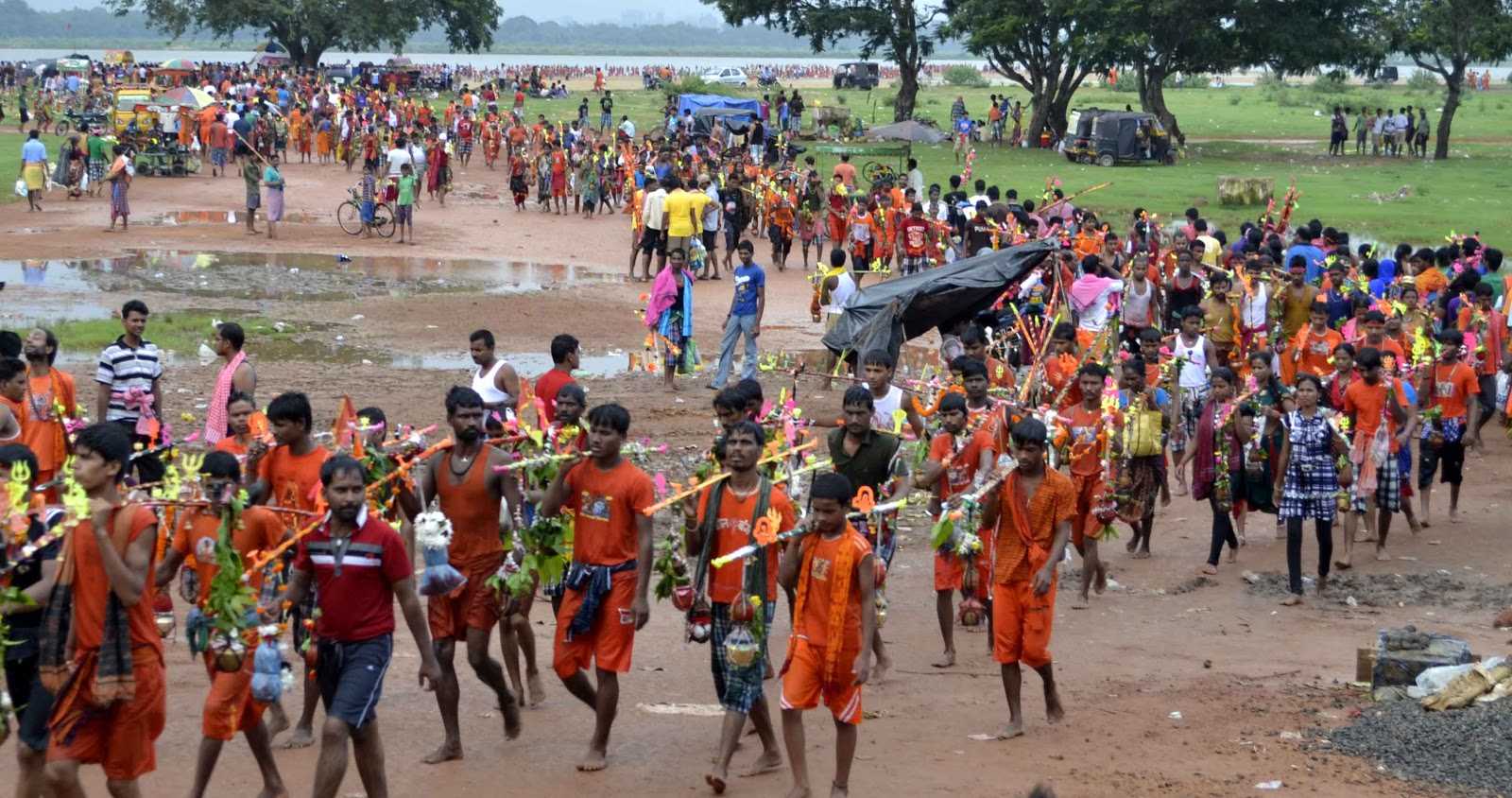
Shravani Mela is a major, ancient and religious event of Bihar, observed annually during the holy month of Shravan. The principal center of the mela is Sultanganj (Bhagalpur), where devotees collect sacred water from the north-flowing Ganga River near the revered Ajgaibinath Temple and undertake a traditional pilgrimage to Baidyanath Dham (Deoghar, Jharkhand). Historical and mythological traditions indicate that this practice has been followed since ancient times and has evolved into a large-scale expression of collective faith. During this period, prominent Shiva temples across the state, including Garibnath Temple (Muzaffarpur), Singheshwar Nath Temple (Madhepura), Harihar Nath Temple (Saran), Budhanath Temple (Bhagalpur) and Siddheshwar Nath Temple (Jehanabad) witness a significant influx of devotees. The entire event is marked by disciplined participation, devotional practices, and spiritually vibrant atmosphere.
Saurath Sabha
Saurath Sabha, also known as Sabha Gachhi, is a distinctive socio-cultural tradition of Bihar’s Mithila region, held in Madhubani. Unlike conventional fairs, this centuries-old gathering functions as a structured matrimonial assembly for Maithil Brahmins, rooted in the unique system of genealogical verification known as Panji System. Established during the reign of King Hari Singh Dev, the system is managed by traditional registrars (Panjikars) who meticulously maintain family lineages and ensure eligibility for marriage by verifying ancestral records. The event takes place in a serene orchard setting, where families interact and finalize alliances following due approval through traditional certification. Associated with the cultural ethos of Mithila and supported by nearby sacred sites such as the Somnath Mahadev Temple, the Sabha reflects a unique blend of social order, tradition and heritage. Recognized for its historical depth and cultural relevance, Saurath Sabha stands as a remarkable example of Bihar’s indigenous systems of community organization and matrimonial customs.
Malmas Mela

Malmas Mela, held in the ancient city of Rajgir, is one of Bihar’s most unique spiritual gatherings, taking place once every three years during the sacred month of Adhik Maas (Malmas). Rooted in Vedic belief, this period is dedicated to Lord Vishnu, when it is said that millions of deities descend to Rajgir, transforming it into a divine spiritual center. The mela is centered around the holy hot springs, especially Brahmakund, where devotees take ritual baths believed to purify the soul and grant immense spiritual merit. Pilgrims also visit various sacred kunds and temples across the surrounding hills, while acts of charity and devotion mark the essence of the festival. Blending mythology, faith, and natural heritage, the Malmas Mela stands as a distinctive symbol of Bihar’s deep-rooted religious traditions and spiritual tourism.